
Cambodia vs Indonesia for Tourism - Which Destination Is Better for Travelers?
Southeast Asia is home to some of the world's most fascinating travel destinations, and two countries that often appear on travelers' bucket lists are Cambodia and Indonesia. Both offer rich cultural heritage, stunning landscapes, delicious cuisine, and unforgettable adventures. However, they cater to different types of travelers.
If you're wondering Cambodia vs Indonesia for tourism, this comprehensive guide compares everything from attractions and beaches to travel costs, food, safety, nightlife, and visa requirements to help you decide which destination is right for your next vacation.
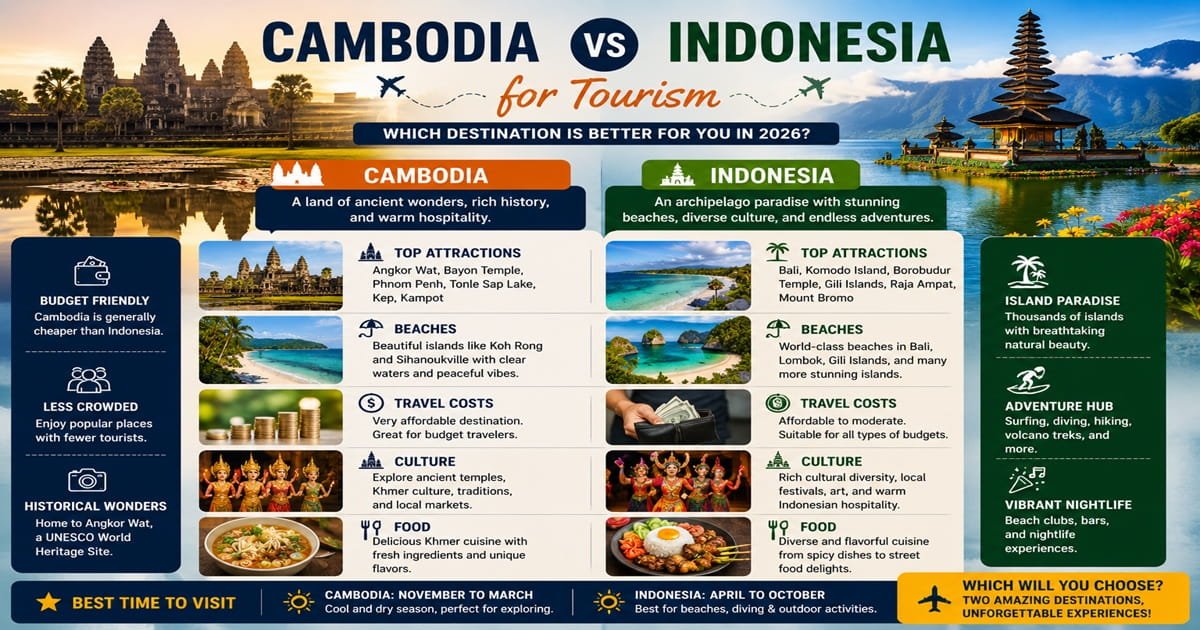
Cambodia vs Indonesia for Tourism: Quick Overview
| Category | Cambodia | Indonesia |
|---|---|---|
| Best For | Culture & History | Beaches & Islands |
| Budget | Very Affordable | Affordable to Moderate |
| Famous Attraction | Angkor Wat | Bali |
| Beaches | Good | Excellent |
| Nightlife | Moderate | Excellent |
| Food Scene | Authentic Khmer Cuisine | Diverse Indonesian Cuisine |
| Family Travel | Good | Excellent |
| Adventure Travel | Good | Excellent |
| Island Hopping | Limited | World-Class |
| Luxury Resorts | Growing | Extensive |
Why Visit Cambodia?
Cambodia is famous for its ancient temples, fascinating history, warm hospitality, and affordable travel experiences.
Top Reasons to Visit Cambodia
Angkor Wat
The crown jewel of Cambodia is undoubtedly the magnificent Angkor Wat temple complex.
Highlights include:
-
Sunrise views over Angkor Wat
-
Ancient Khmer architecture
-
UNESCO World Heritage status
-
Historical significance
It is one of the most visited attractions in Southeast Asia.
Rich Cultural Heritage
Travelers can explore:
-
Phnom Penh Royal Palace
-
National Museum
-
Traditional Khmer villages
-
Buddhist temples
Cambodia offers a deep cultural experience that history lovers appreciate.
Affordable Travel Costs
Cambodia remains one of the most budget-friendly destinations in Asia.
Average Daily Costs:
-
Budget travelers: $20–40
-
Mid-range travelers: $50–100
-
Luxury travelers: $150+
Why Visit Indonesia?
Indonesia is the world's largest island nation, consisting of more than 17,000 islands.
Top Reasons to Visit Indonesia
Bali
Bali remains Indonesia's most famous tourist destination.
Popular attractions:
-
Ubud Rice Terraces
-
Seminyak Beach
-
Uluwatu Temple
-
Nusa Penida
Bali offers a perfect mix of relaxation, adventure, and luxury.
Incredible Islands
Indonesia is a paradise for island lovers.
Popular destinations include:
-
Bali
-
Lombok
-
Komodo Island
-
Raja Ampat
-
Java
-
Sumatra
-
Gili Islands
Diverse Experiences
Travelers can enjoy:
-
Volcano trekking
-
Diving and snorkeling
-
Surfing
-
Wildlife encounters
-
Luxury resorts
-
Cultural exploration
Cambodia vs Indonesia: Tourist Attractions
Cambodia Attractions
Top Attractions
-
Angkor Wat
-
Bayon Temple
-
Ta Prohm
-
Phnom Penh
-
Tonle Sap Lake
-
Kampot
-
Kep
Best For
-
History lovers
-
Cultural tourism
-
Photography enthusiasts
Indonesia Attractions
Top Attractions
-
Bali
-
Komodo National Park
-
Borobudur Temple
-
Mount Bromo
-
Raja Ampat
-
Gili Islands
Best For
-
Nature lovers
-
Adventure travelers
-
Beach vacations
Winner: Indonesia
Indonesia offers significantly more variety and natural diversity.
Cambodia vs Indonesia: Beaches
Cambodia Beaches
Popular beaches include:
-
Koh Rong
-
Koh Rong Samloem
-
Sihanoukville
-
Otres Beach
While beautiful, Cambodia's beach infrastructure remains relatively limited.
Indonesia Beaches
Indonesia is among the world's best beach destinations.
Top beaches:
-
Kuta Beach
-
Seminyak Beach
-
Nusa Dua
-
Pink Beach Komodo
-
Gili Islands
Winner: Indonesia
Indonesia easily wins for beach tourism.
Cambodia vs Indonesia: Travel Costs
Cambodia
Average Daily Budget:
-
Budget: $20–40
-
Mid-range: $50–100
-
Luxury: $150–300
Indonesia
Average Daily Budget:
-
Budget: $30–60
-
Mid-range: $70–120
-
Luxury: $200–500+
Winner: Cambodia
Cambodia is generally cheaper for accommodation, food, and transportation.
Cambodia vs Indonesia: Food
Cambodian Cuisine
Popular dishes:
-
Fish Amok
-
Khmer Curry
-
Lok Lak
-
Nom Banh Chok
Food is flavorful yet milder than neighboring countries.
Indonesian Cuisine
Popular dishes:
-
Nasi Goreng
-
Satay
-
Rendang
-
Gado-Gado
-
Soto Ayam
Indonesia offers more regional variety.
Winner: Indonesia
Indonesia's culinary diversity provides more options for international travelers.
Cambodia vs Indonesia: Nightlife
Cambodia Nightlife
Best nightlife spots:
-
Phnom Penh
-
Siem Reap
-
Pub Street
Atmosphere is relaxed and budget-friendly.
Indonesia Nightlife
Top nightlife destinations:
-
Bali
-
Jakarta
-
Seminyak
-
Canggu
From beach clubs to luxury lounges, Indonesia offers world-class nightlife.
Winner: Indonesia
Cambodia vs Indonesia: Family Travel
Cambodia
Family-friendly experiences:
-
Temple tours
-
Cultural attractions
-
Wildlife sanctuaries
Indonesia
Family-friendly attractions:
-
Bali resorts
-
Water parks
-
Beaches
-
Safari parks
Winner: Indonesia
Cambodia vs Indonesia: Safety
Both countries are generally safe for tourists.
Cambodia
Pros:
-
Friendly locals
-
Low violent crime
Cons:
-
Occasional scams
-
Road safety concerns
Indonesia
Pros:
-
Developed tourism infrastructure
-
Tourist-friendly destinations
Cons:
-
Traffic congestion
-
Natural disaster risks in some regions
Winner: Tie
Both destinations are safe when travelers use common precautions.
Cambodia vs Indonesia: Visa Requirements
Both countries offer relatively simple entry procedures for many international visitors.
Travelers should always check the latest visa rules before departure.
Winner: Tie
Best Time to Visit
Cambodia
Best Months:
-
November to March
Dry weather and comfortable temperatures.
Indonesia
Best Months:
-
April to October
Ideal for beaches, diving, and outdoor adventures.
Who Should Visit Cambodia?
Choose Cambodia if you:
✔ Love history and ancient civilizations
✔ Want budget-friendly travel
✔ Enjoy cultural experiences
✔ Prefer fewer crowds
✔ Are interested in UNESCO heritage sites
Who Should Visit Indonesia?
Choose Indonesia if you:
✔ Love beaches and islands
✔ Want luxury resorts
✔ Enjoy outdoor adventures
✔ Like surfing and diving
✔ Want diverse travel experiences
Final Verdict: Cambodia vs Indonesia for Tourism
The answer depends on your travel style.
Choose Cambodia If:
-
You want affordable travel.
-
You're fascinated by history and culture.
-
Angkor Wat is on your bucket list.
-
You prefer slower-paced tourism.
Choose Indonesia If:
-
You love beaches and tropical islands.
-
You want world-class resorts.
-
You enjoy adventure activities.
-
You want more destination variety.
Overall Winner: Indonesia
For most international travelers, Indonesia offers a broader range of tourism experiences, including beaches, culture, luxury resorts, wildlife, diving, volcanoes, and island-hopping adventures.
However, Cambodia remains one of Southeast Asia's most rewarding destinations for culture, history, and budget travel.
Frequently Asked Questions (FAQ)
Is Cambodia cheaper than Indonesia?
Yes. Cambodia is generally more affordable for accommodation, food, transportation, and attractions.
Which country has better beaches?
Indonesia has significantly better beaches and island destinations.
Is Cambodia safer than Indonesia?
Both countries are considered relatively safe for tourists.
Which destination is better for families?
Indonesia offers more family-friendly resorts and activities.
Which country is better for backpackers?
Both are popular, but Cambodia often provides better value for budget travelers.
Is Angkor Wat worth visiting?
Absolutely. Angkor Wat is one of the most impressive historical sites in the world and a major reason many travelers visit Cambodia.
Which destination is better overall?
Indonesia is the better all-around tourism destination due to its diversity of attractions, islands, beaches, culture, and adventure opportunities.
Most Reviews
Airlines
Airlines

- October 14, 2026
Vietnam Airlines App Deals
Airlines
- October 08, 2026
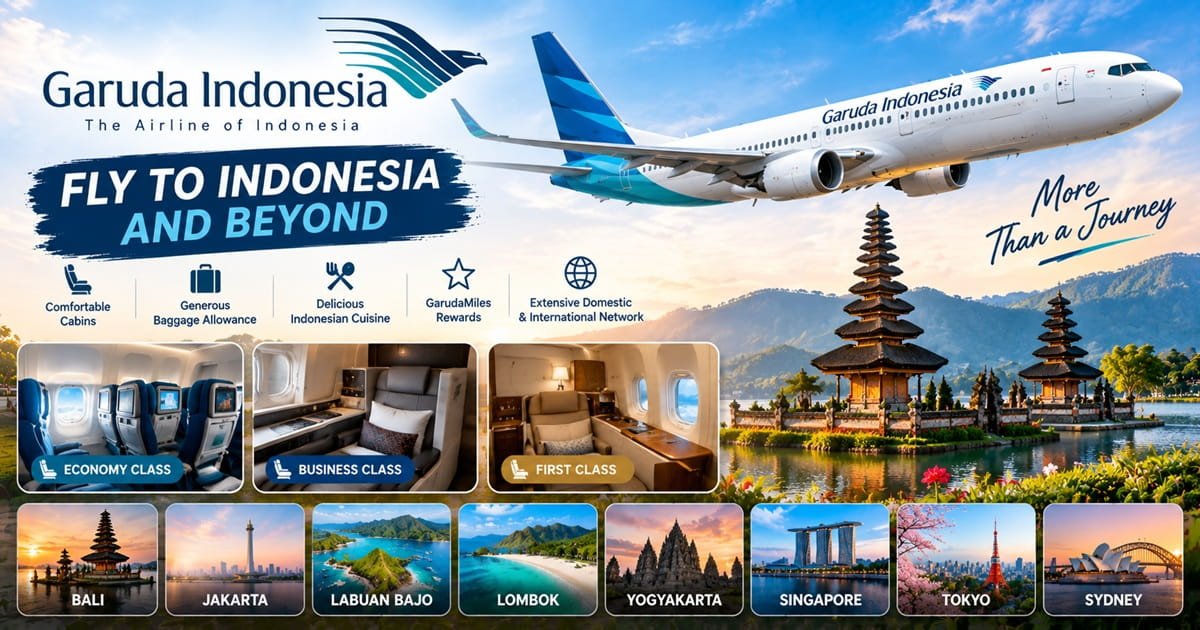
Garuda Indonesia – Flights, Baggage, Cabins & Deals
Airlines
- October 06, 2026
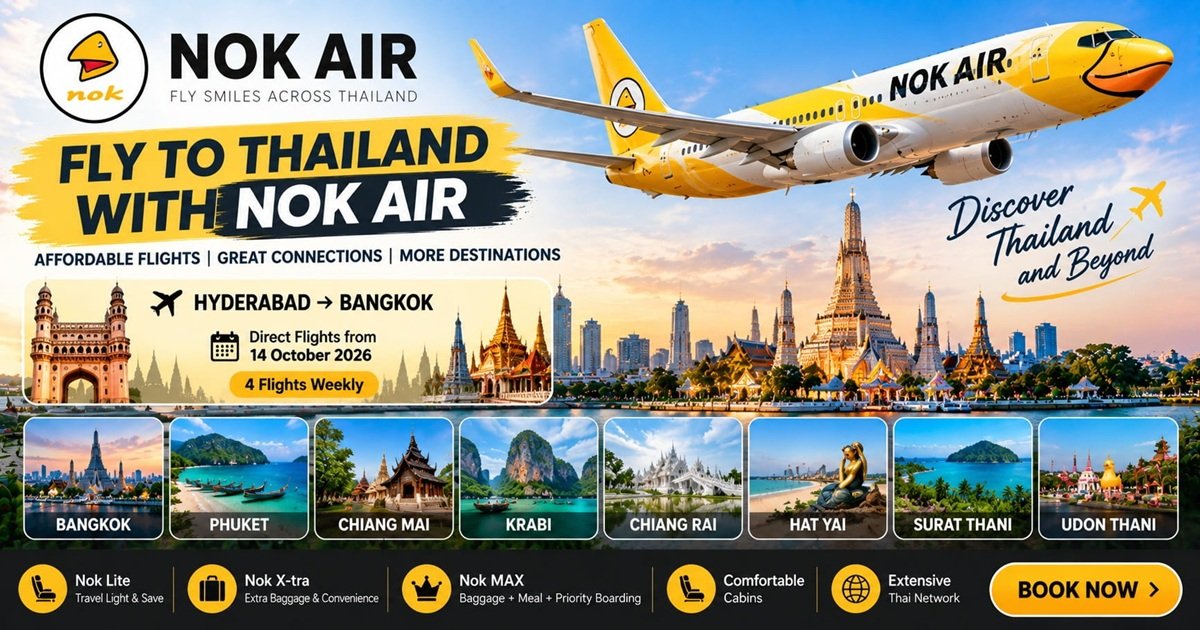
Nok Air – Flights, Hyderabad–Bangkok and Deals
Hotels
- October 03, 2026
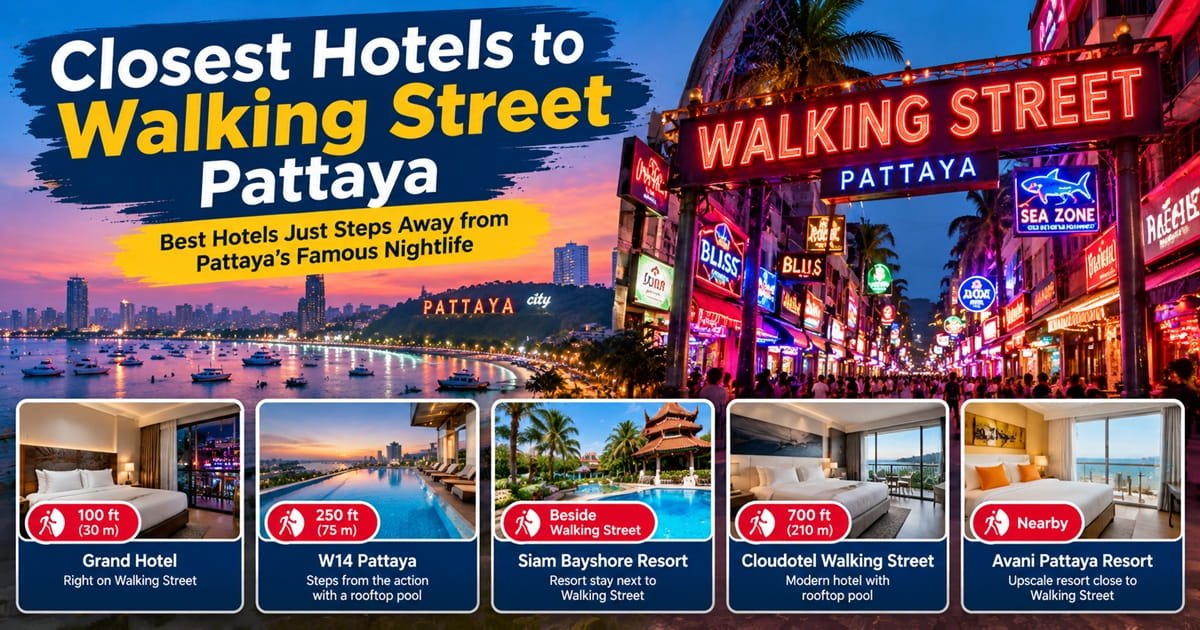
Closest Hotels to Walking Street Pattaya
Airlines

- September 29, 2026
China Southern Airlines 2026 – Flights, Deals, Baggage & India Routes
Airlines

- September 24, 2026
Air India Exclusive Deals 2026 – Promo Codes and Flight Deals
Airlines

- September 18, 2026
Saudia Holidays Exclusive Offers 2026 – Flight + Hotel Deals
Airlines

- September 16, 2026
Riyadh Air Saudi National Day Sale 2026 – Up to 50% OFF Flights
Hotels

- September 08, 2026